AI, for real.
I think it was 2020, maybe 2021. I read a story in Wired about what was coming. It didn't seem possible, another overpromise, probably hype. I jumped in anyway.
ChatGPT first, in 2022, as a thought partner and writing collaborator. Then Midjourney cracked open visual exploration. From there it moved fast: motion, filmmaking, prototyping, voice, full systems, live iteration.
UiPath
This is where it stopped being personal experimentation and became part of the actual work. Full AI workflows ran across the FORWARD conferences, moodboards, visual development, motion, narrative film, not shortcuts, the way the work got made. As the tools improved year over year, so did what we could pull off.
Buy My Lunch
This is the furthest I've taken it so far. I ran the entire creative operation through AI, strategy, the creative development, production, media, all of it, generative and agentic workflows together. Over ten videos for the brand site and social so far, including original music, built and edited start to finish. The response: "I had no idea this was AI." Email response rates came in at triple the norm.
Meta
Eventually the work caught attention from the other direction. Meta recruited me to help their research and engineering teams evaluate next-generation visual AI systems, specifically video, speech, motion, composition. The job was creative judgment applied to technical output: does this feel real, does the story hold, where does it break.
Where it's going
Loeb & Loeb has been part of this evolution too, full workflows that keep changing as the tools do. I work across close to 20 platforms now, part real client work, part personal experimentation. The work below is a snapshot of how that's showing up in practice, still grounded in ideas, storytelling, craft, and execution.
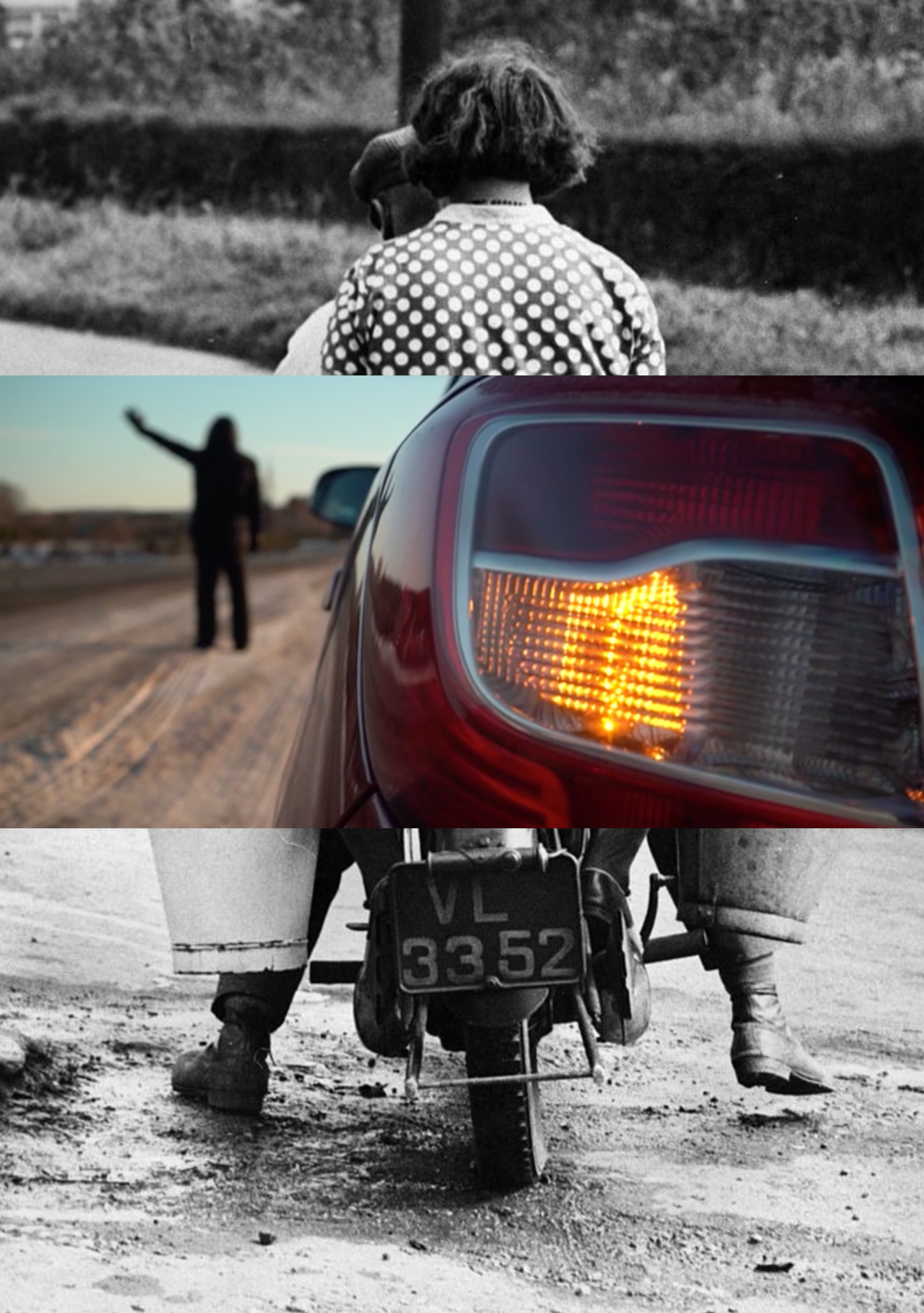
It’s the summer of 2024 and I’m half-watching the Paris Olympics. At some point I start Googling random Olympic history. Probably because badminton was on.
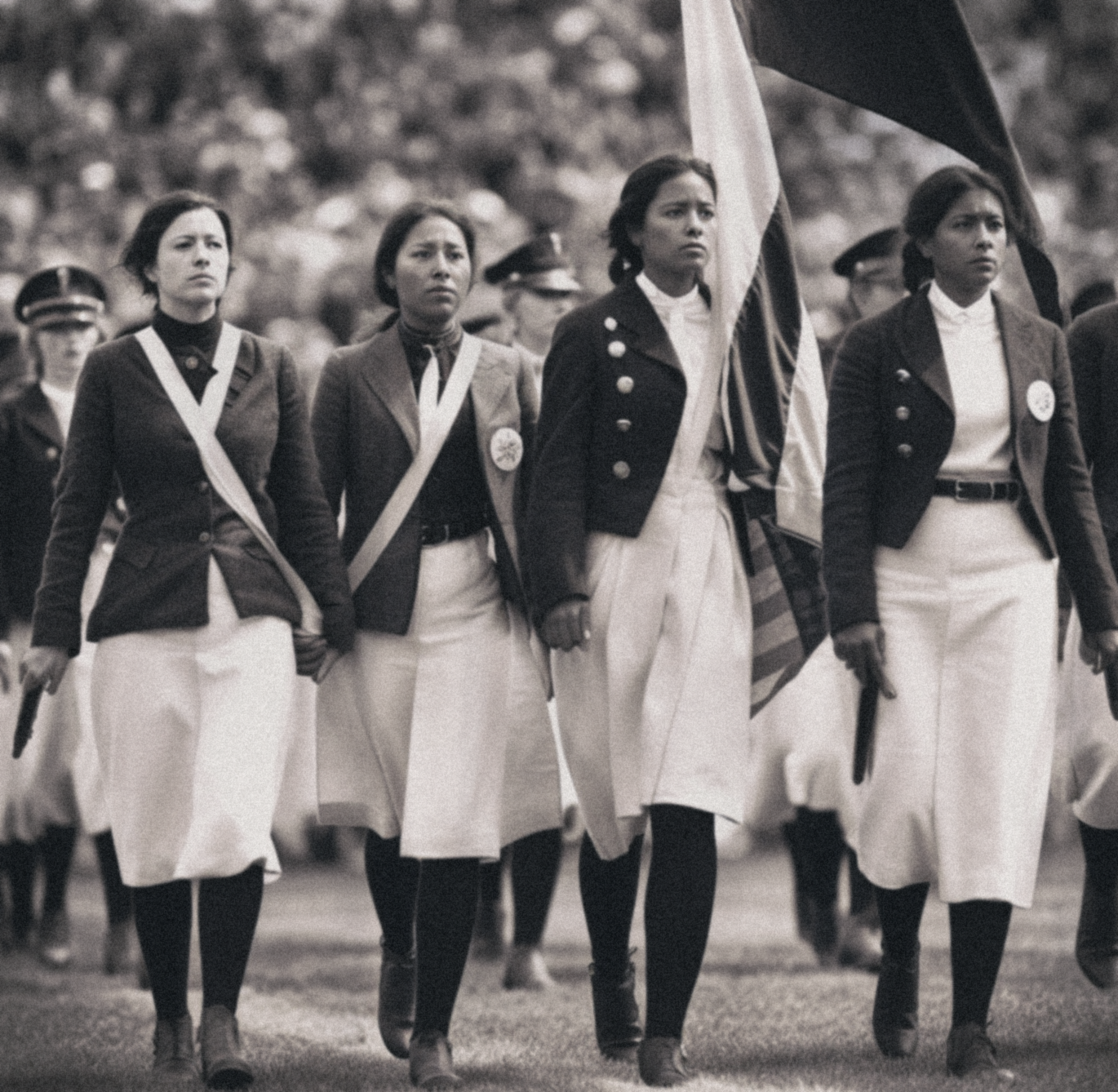
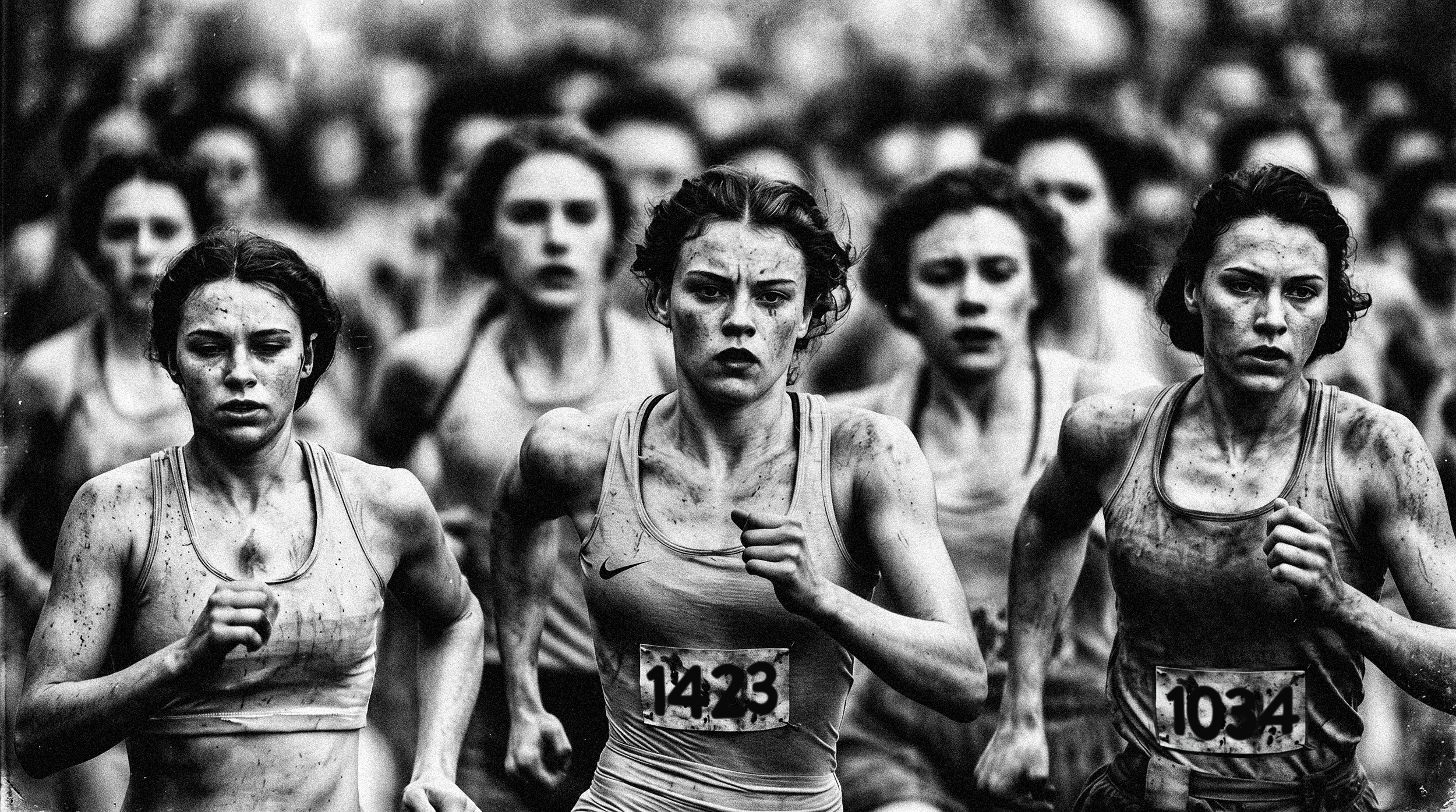
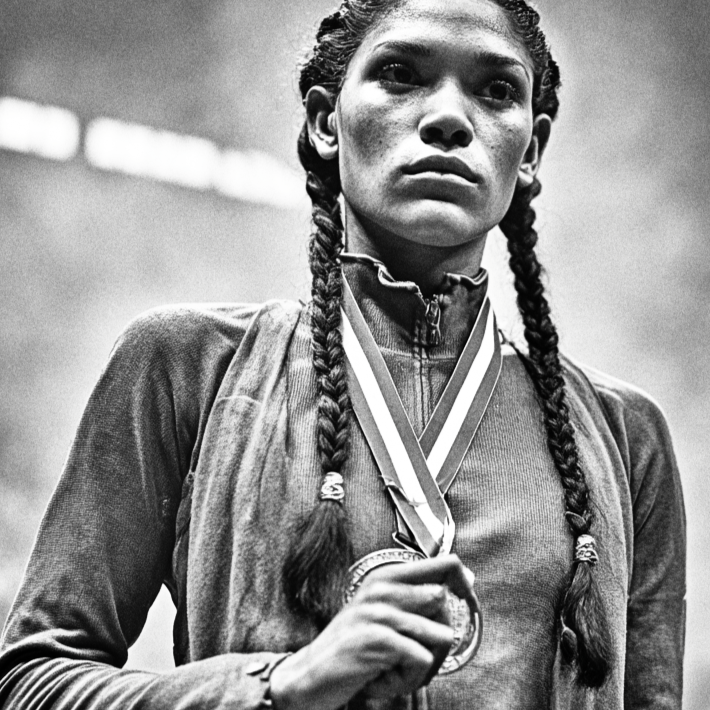
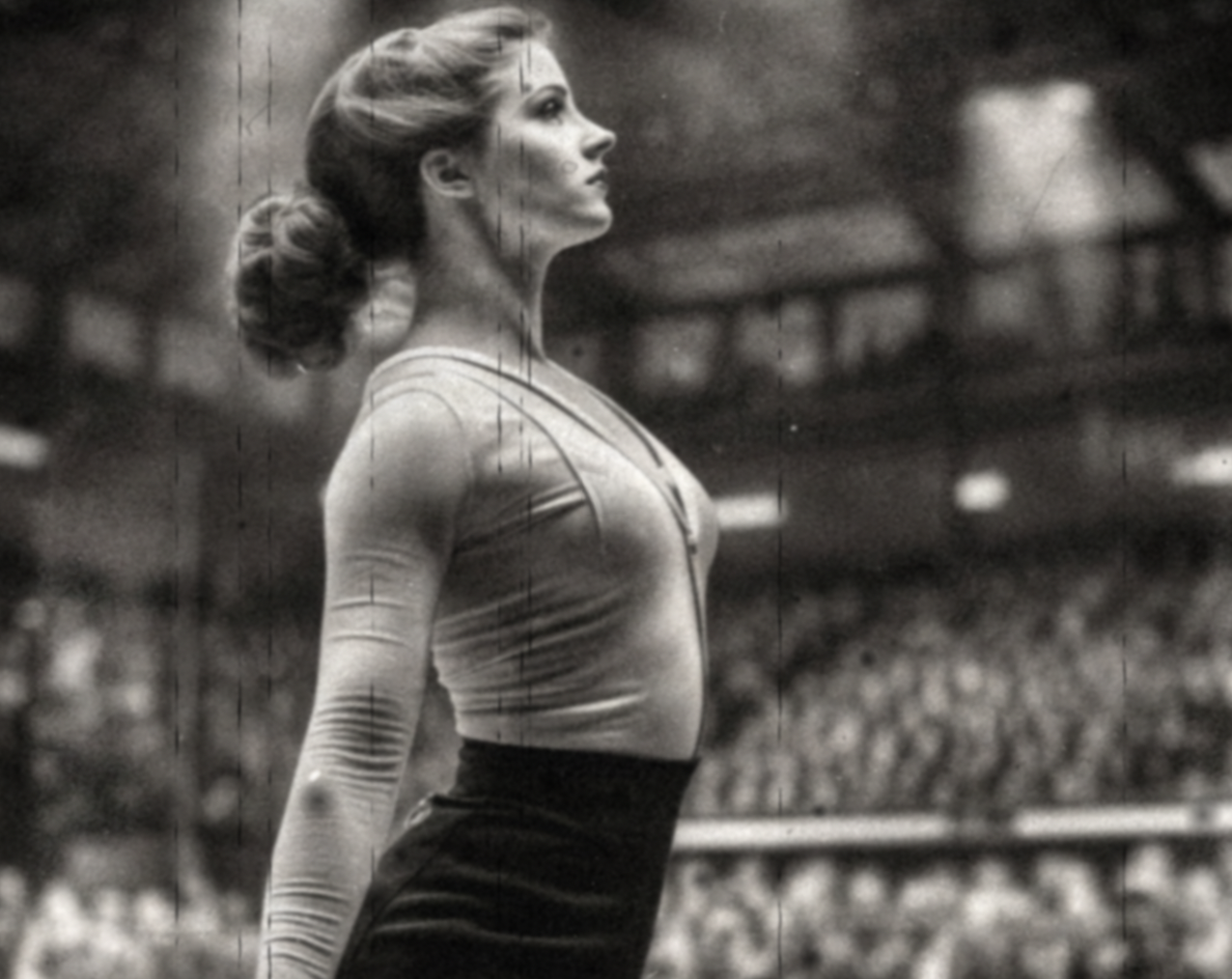
Then I stumble onto something that stopped me cold. Women first competed in the modern Olympic Games in Paris in 1900.
Paris.
Same city. Same Olympics. One hundred twenty-four years earlier.
I’m the dad of two strong girls and somehow I never knew this. More surprising, it barely felt talked about during the 2024 Games. No massive cultural moment around it. No real mythology built around these women who showed up anyway, decades before modern sports culture knew what to do with female athletes.
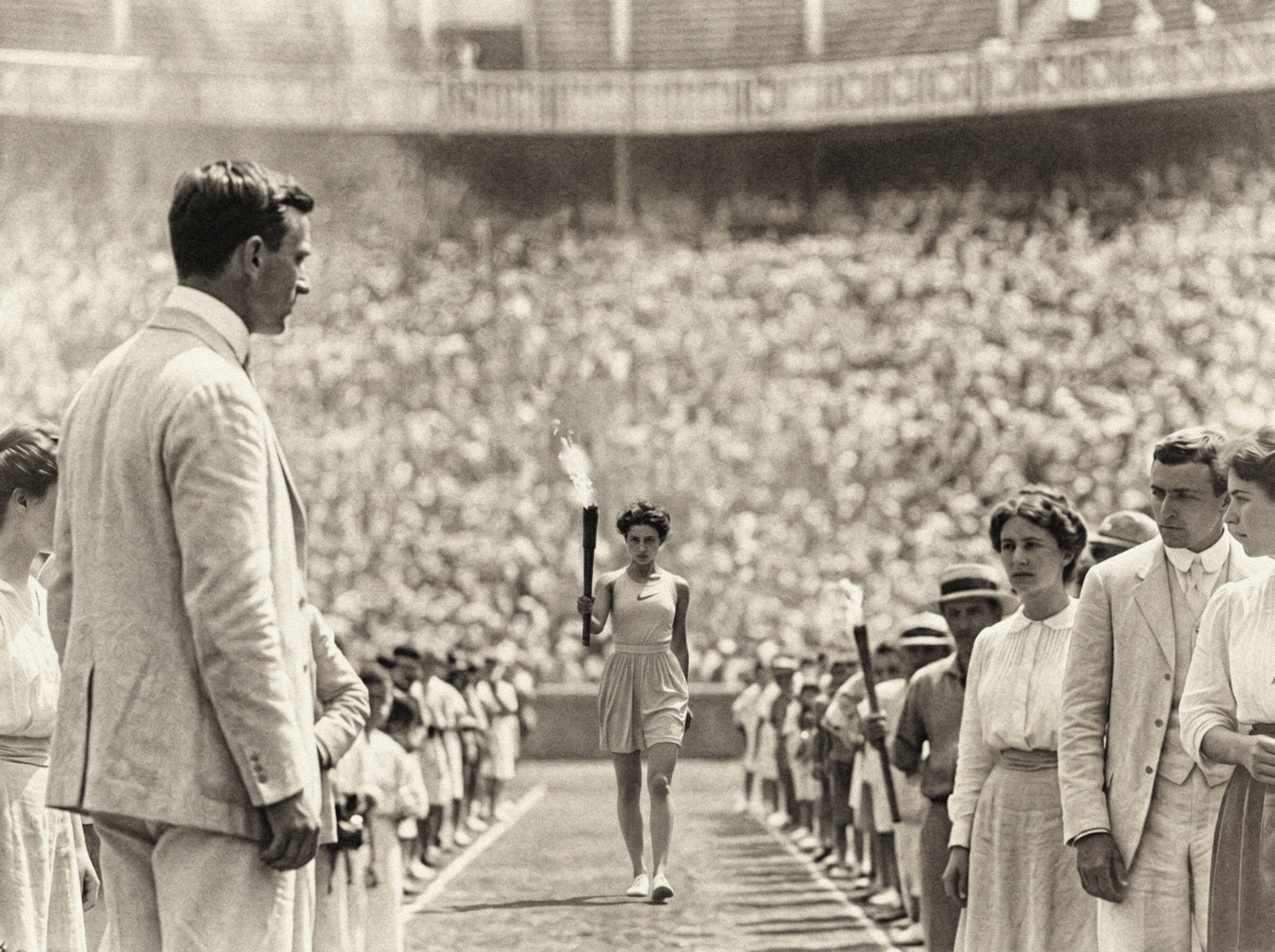
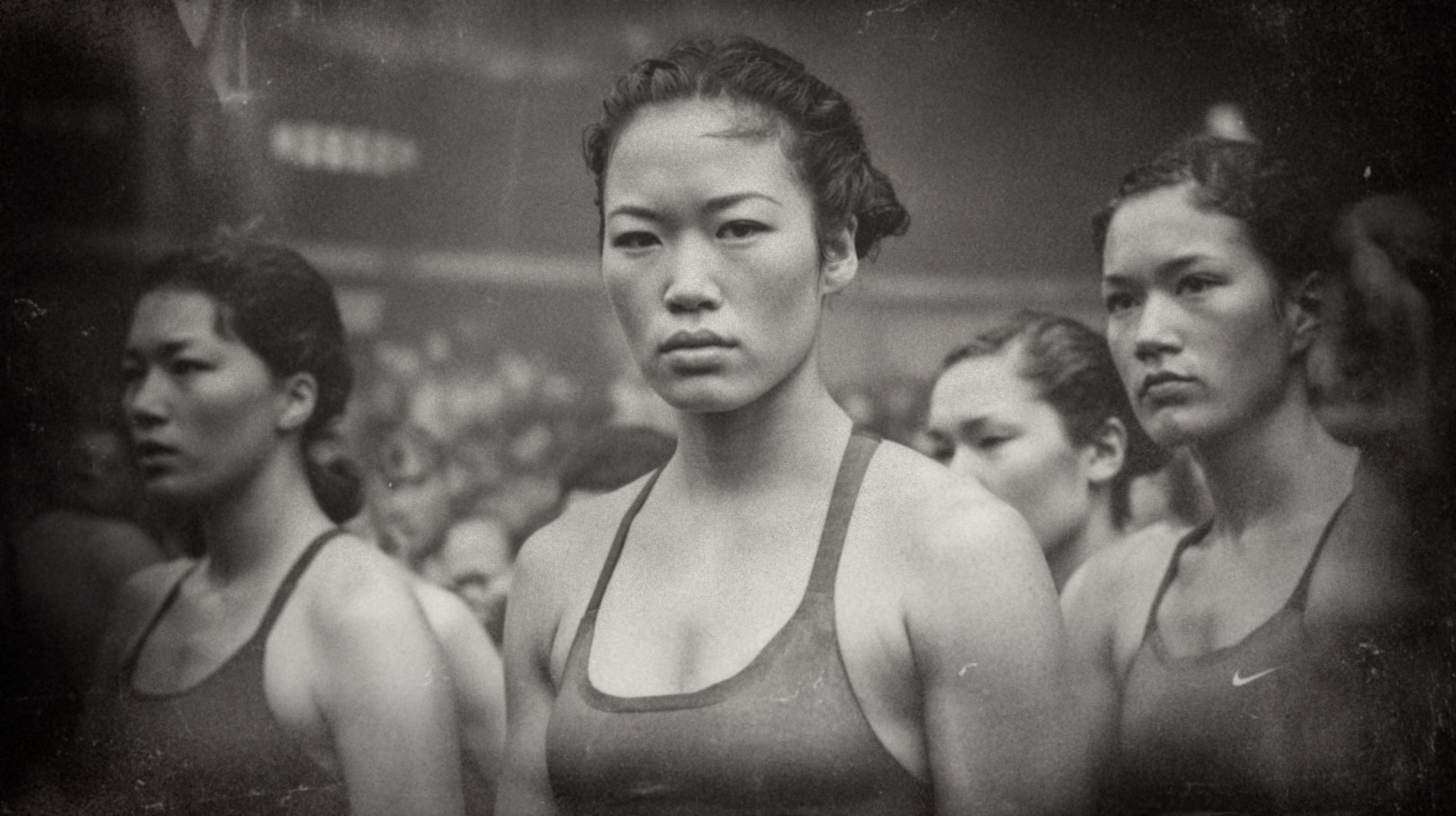
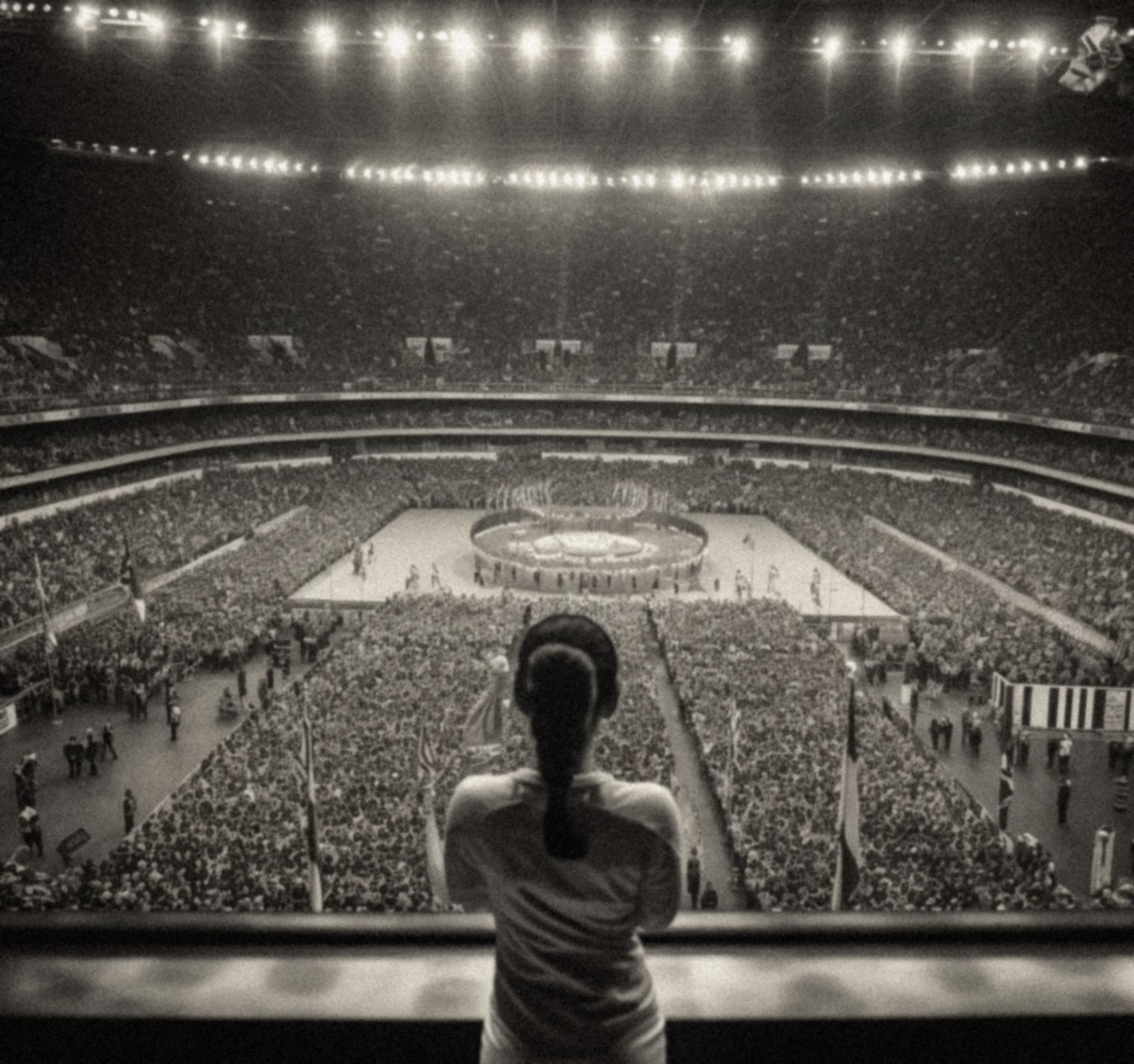
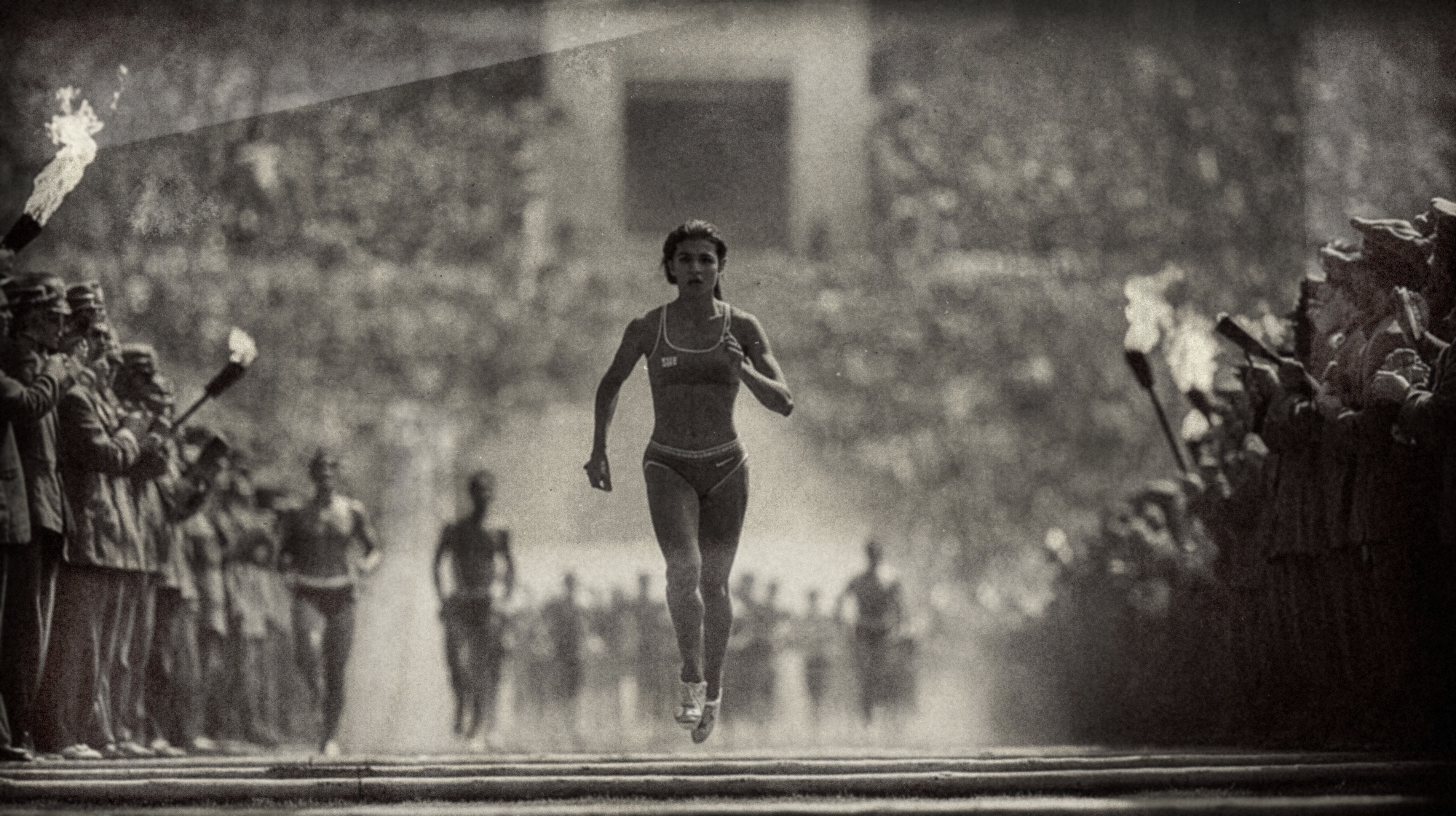
That idea got stuck in my head. What would Nike or Adidas have done with this story if they existed in 1900? What would these athletes have looked like through a modern sports culture lens?
I dove in.
These images became a collision of eras. Historical fiction mixed with campaign thinking. A reminder that the mindset of modern female athletes existed long before the world caught up to it.
What started as static concept art eventually evolved into cinematic storytelling using emerging AI filmmaking tools.
2024
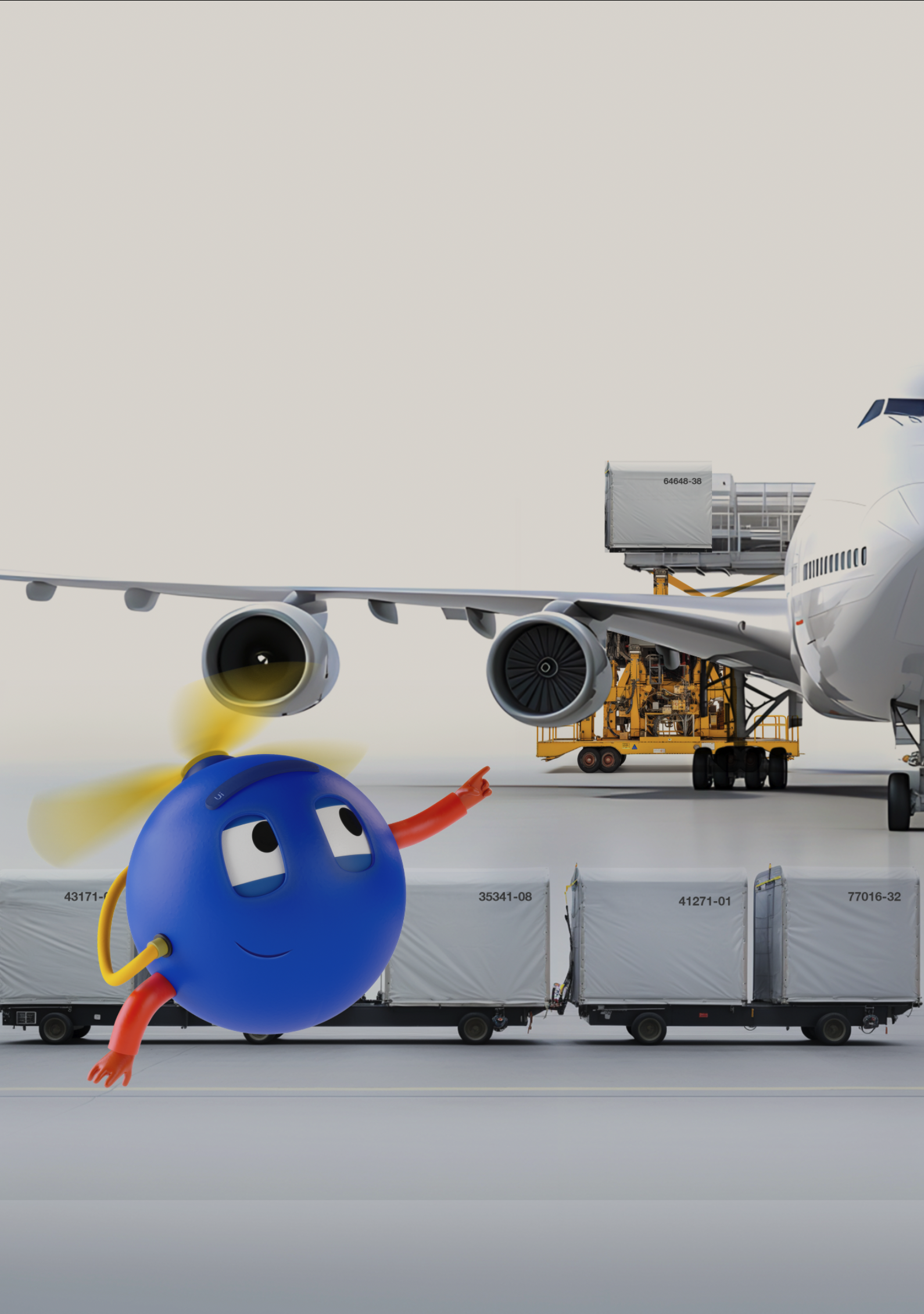
There wasn't budget on this one, so we built it anyway. This launch film was created using eight different AI tools, including the soundtrack. I directed the project, assembled the visuals, and finished the piece in After Effects. It's a snapshot of Buy My Lunch, but also an experiment in what happens when a small team combines traditional creative direction with emerging AI tools.
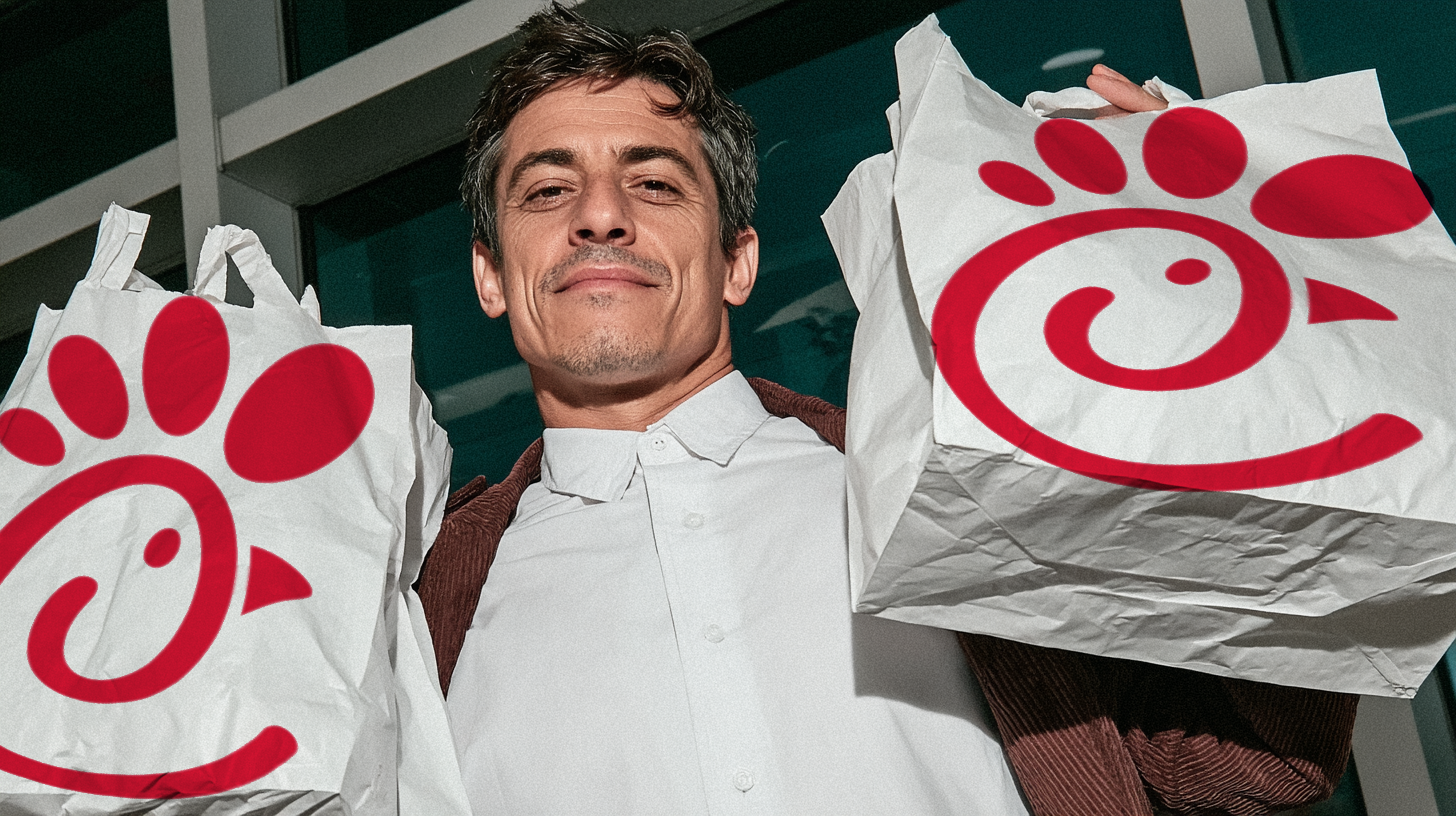

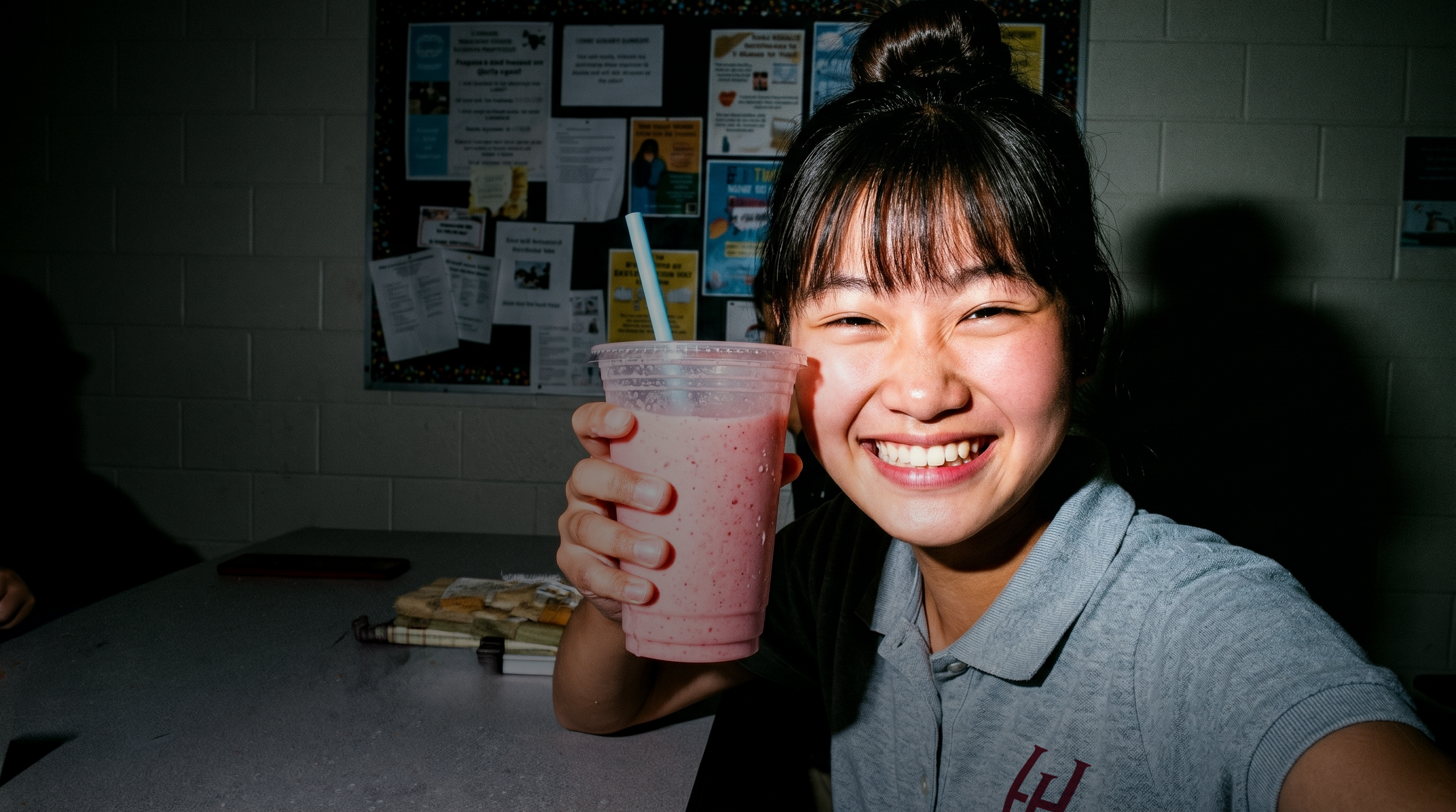

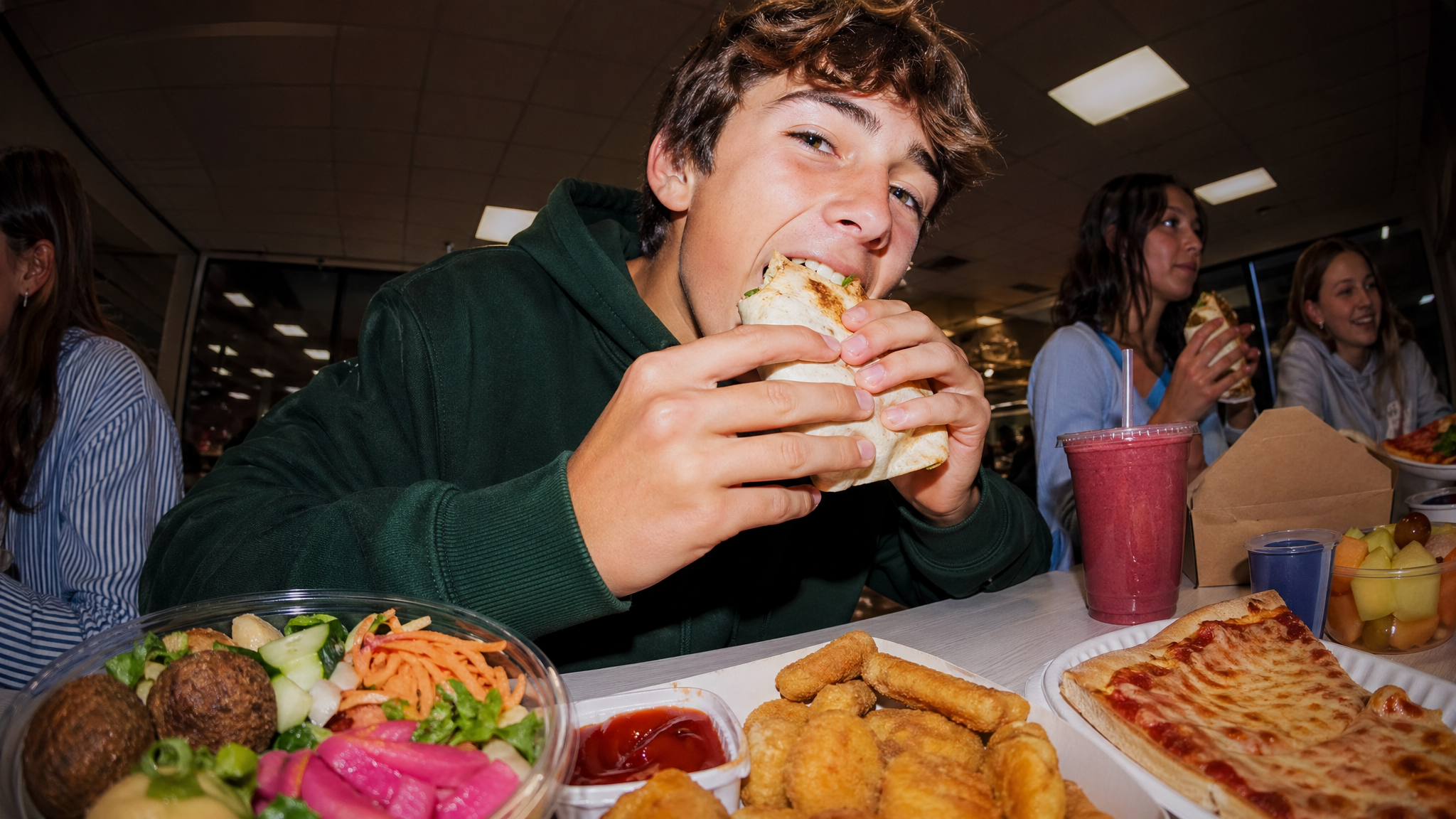
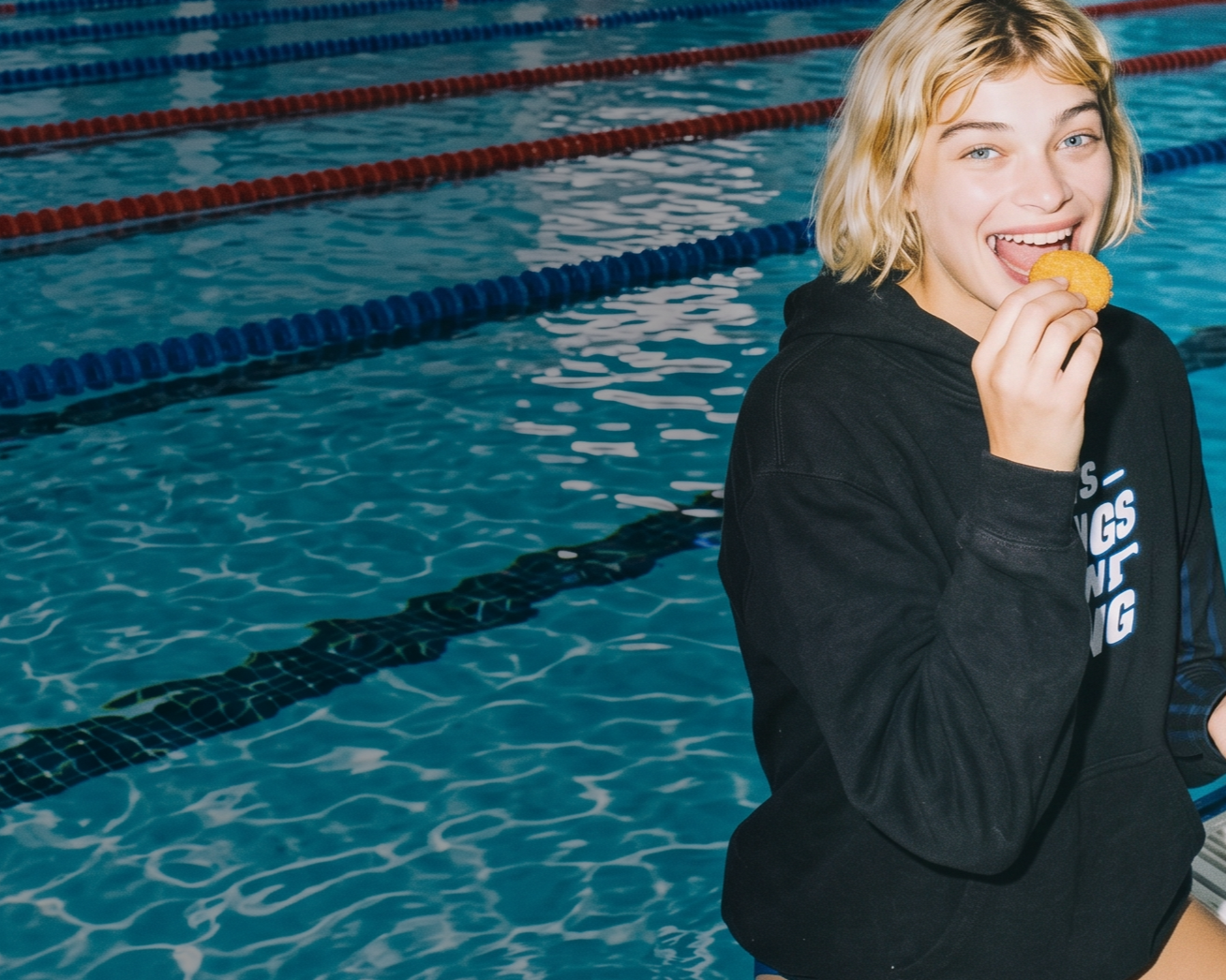

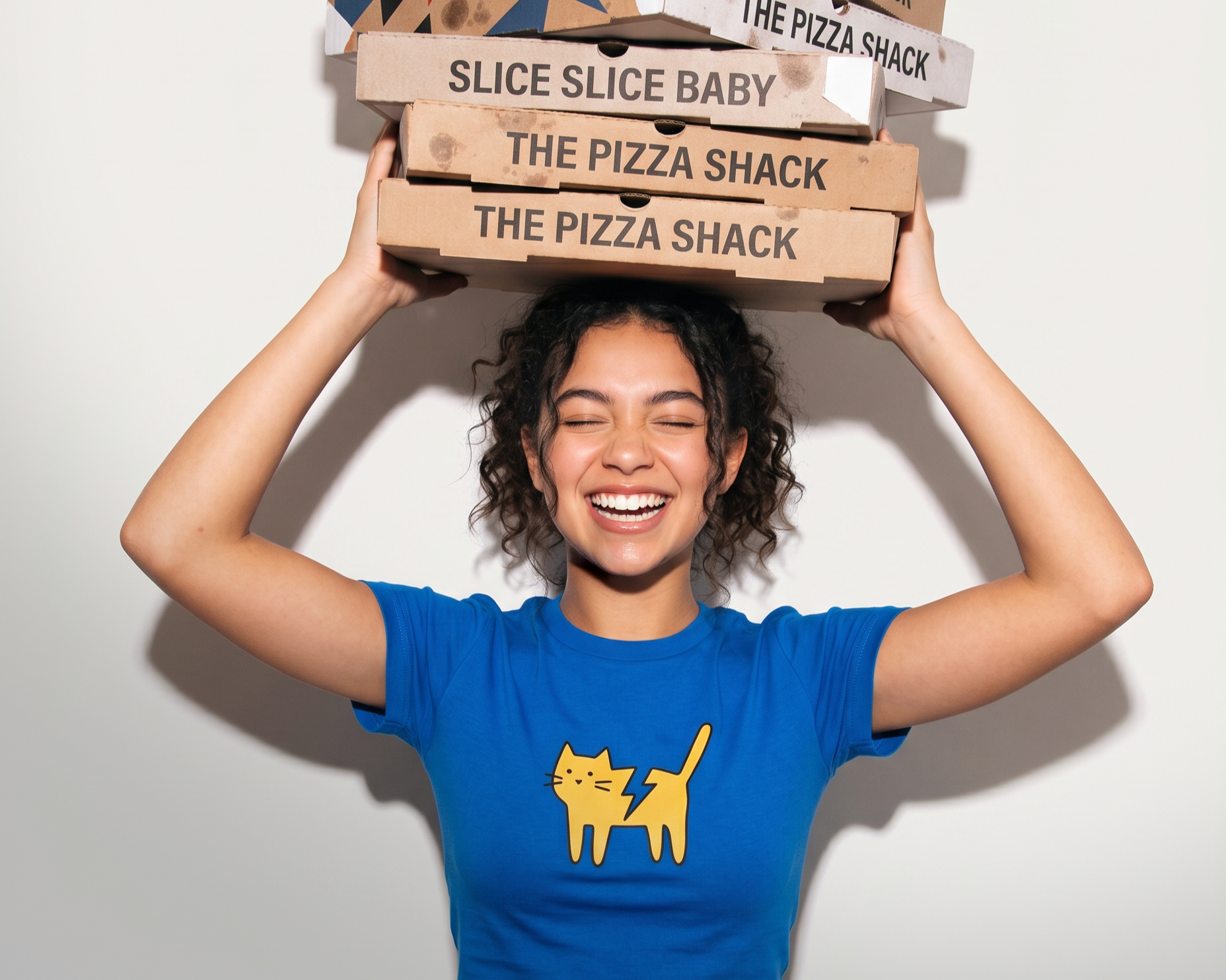
In 2025, a team of technologists who broke off from Cisco approached me to help them launch a new product. Think Uber Eats for school lunch. This product became Buy My Lunch. Since then, the project has turned into a little bit of everything: brand identity, UX, app development, website builds, sales materials, social content, and the daily chaos of building a company from scratch. A lot of the ecosystem, including the site itself, was built using THEO, a GenAI-powered, SEO-first website building platform. Equal parts startup sprint, brand build, and ongoing experiment in how AI tools fit into modern product development.
2026
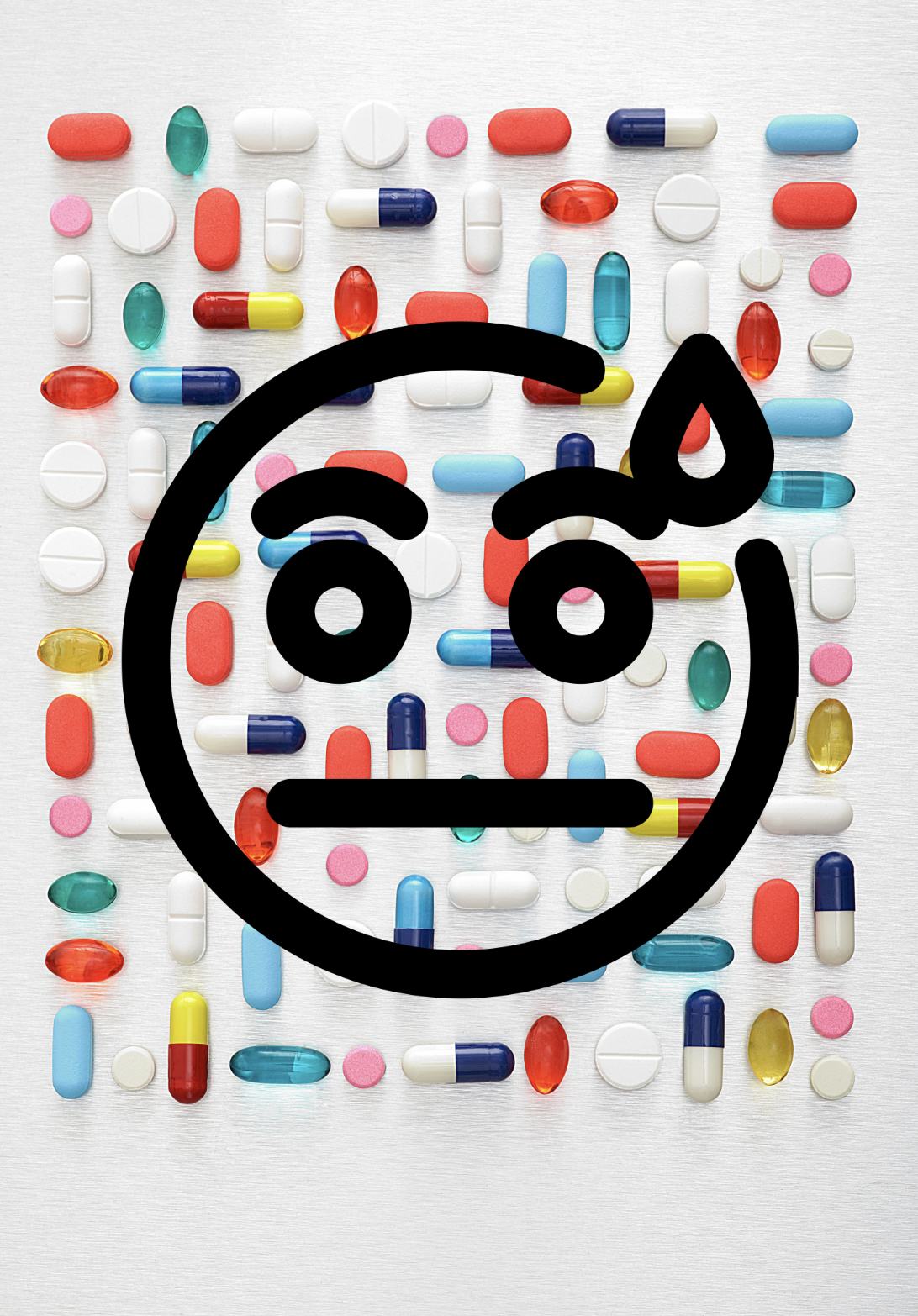
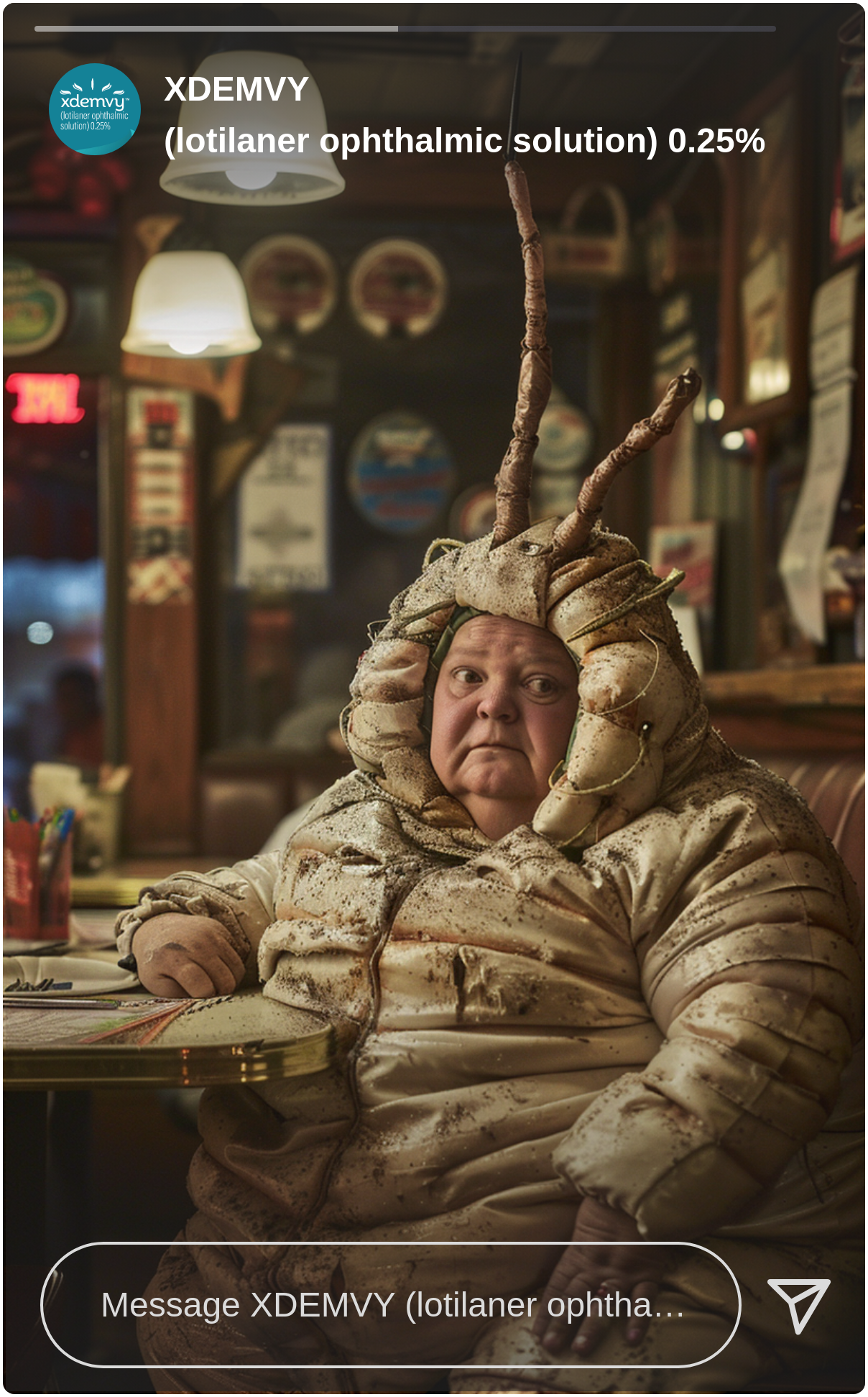
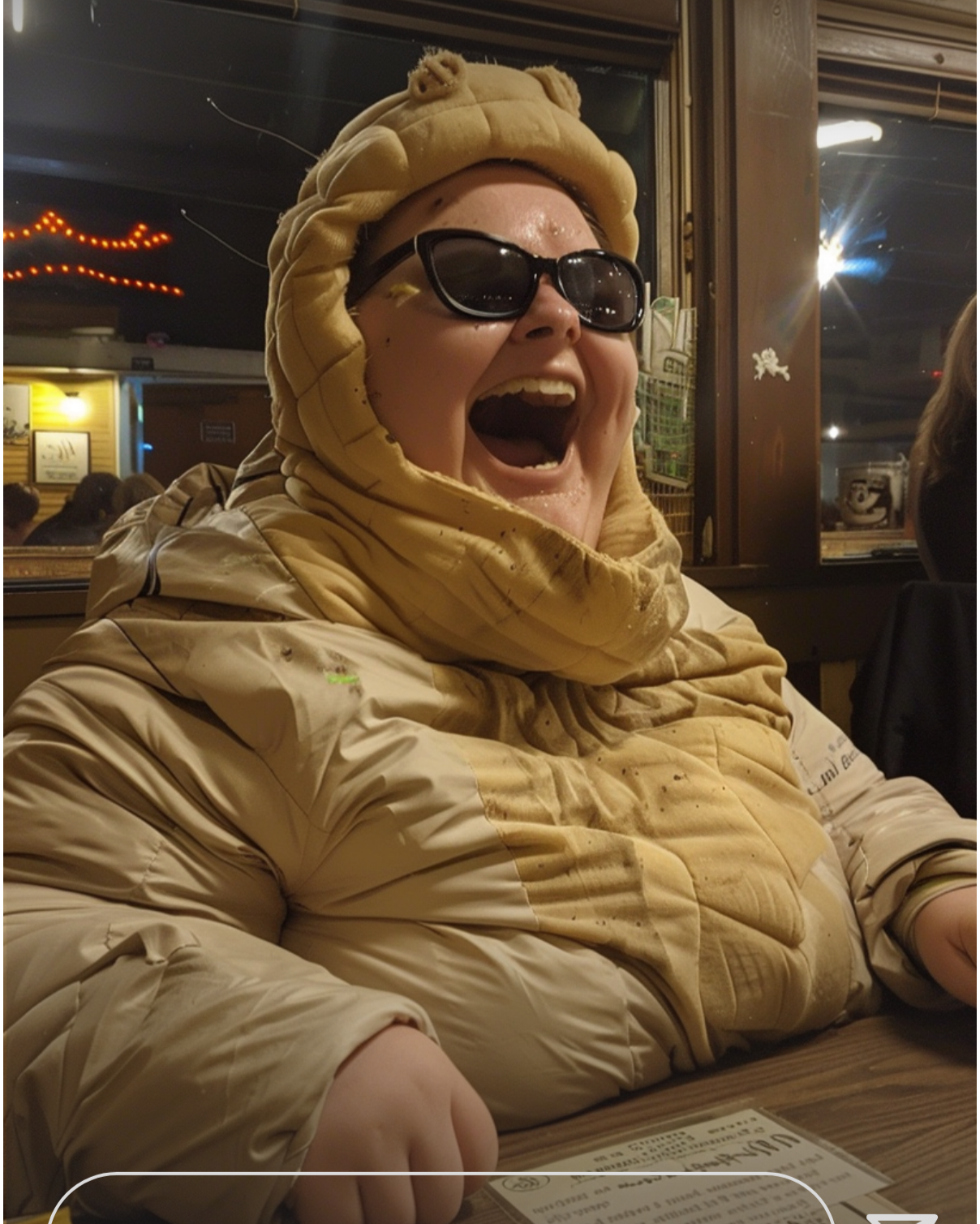
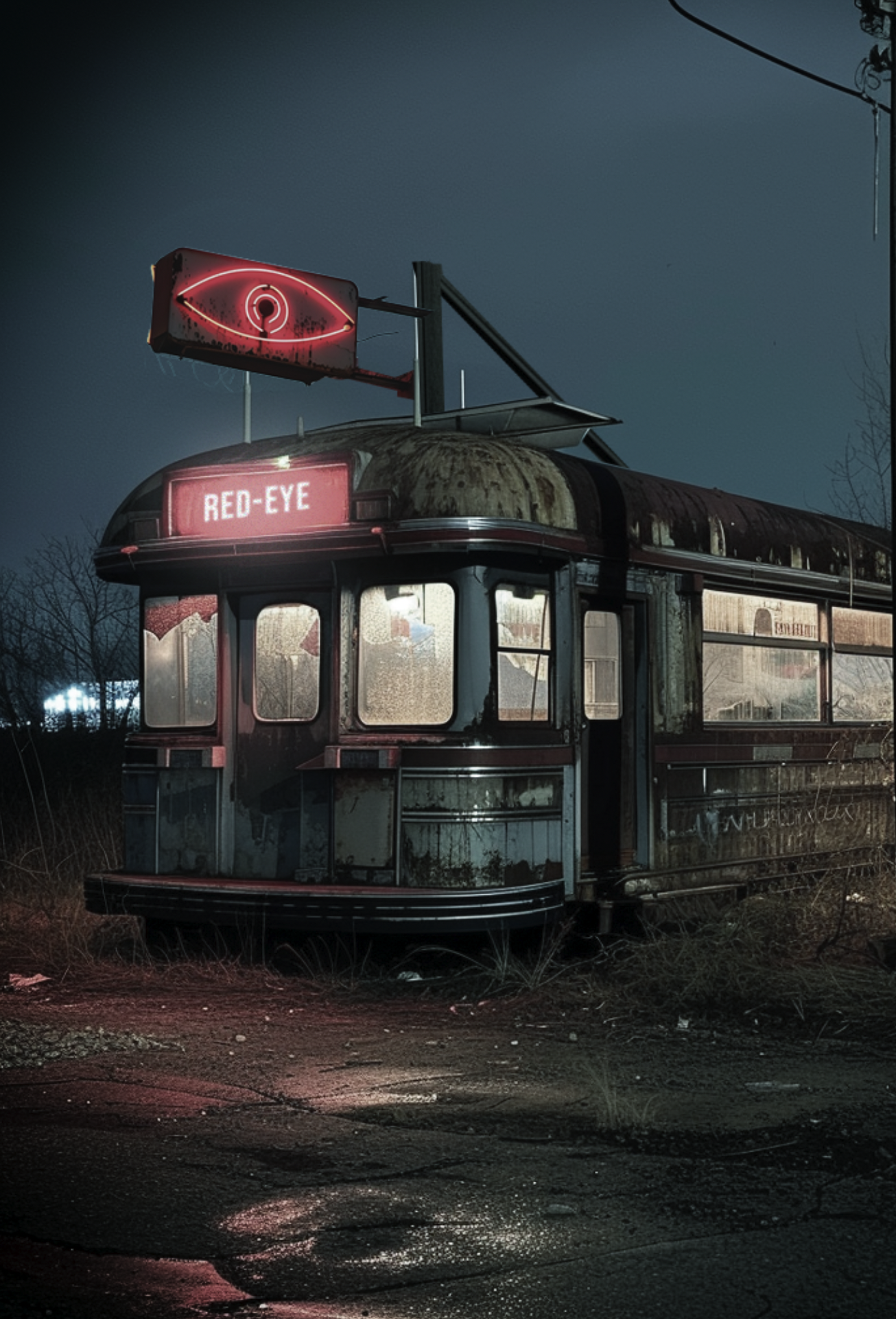
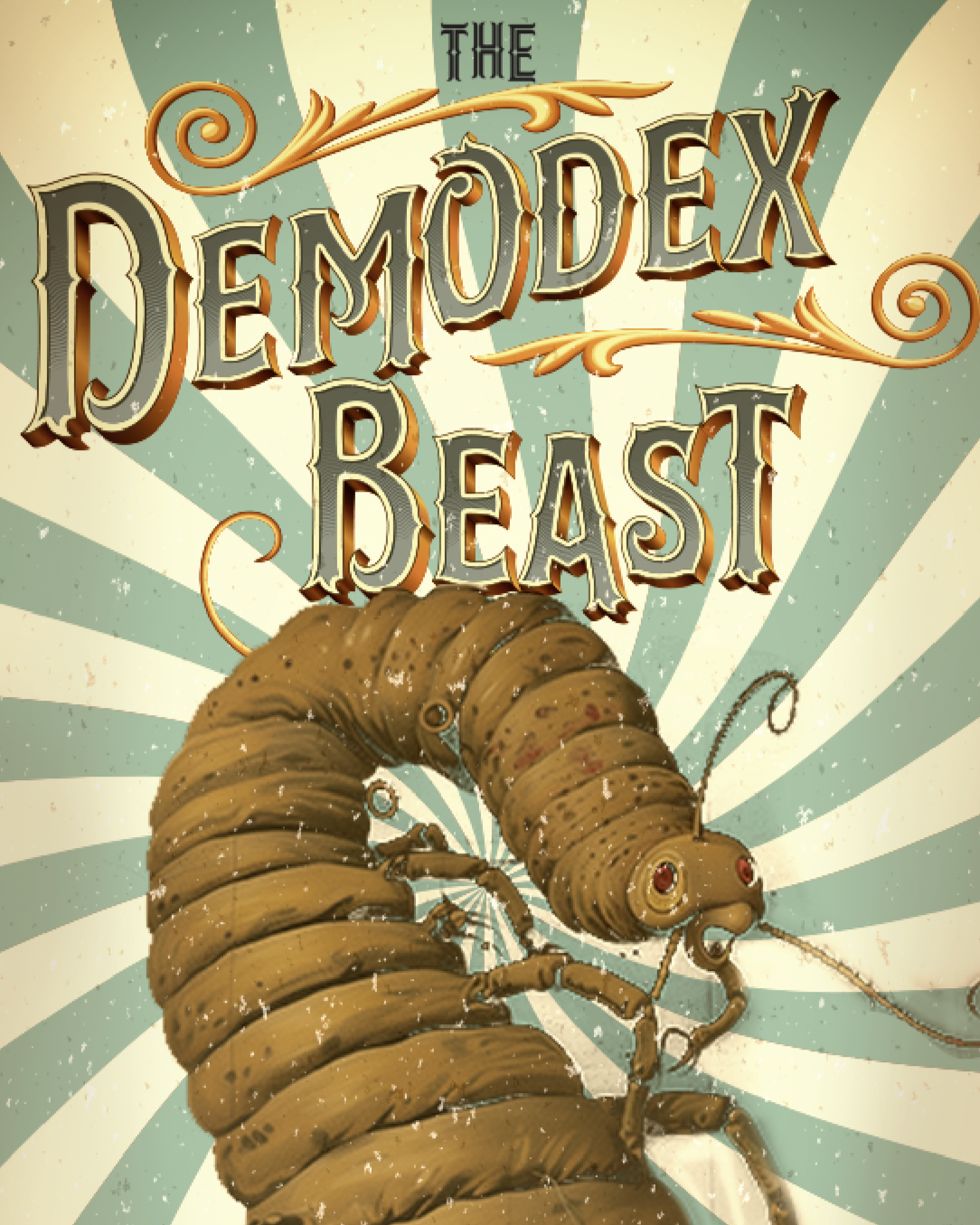
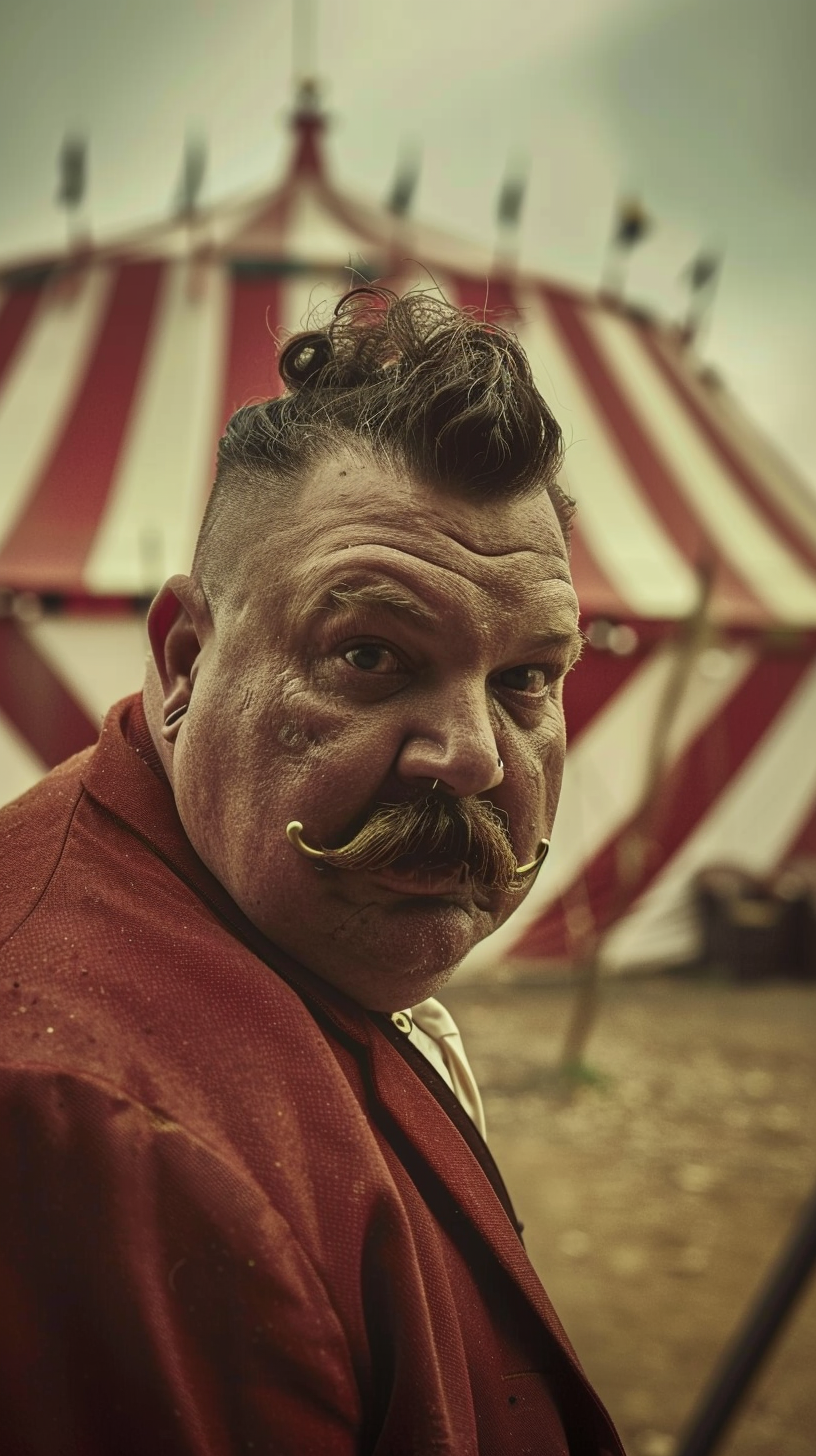
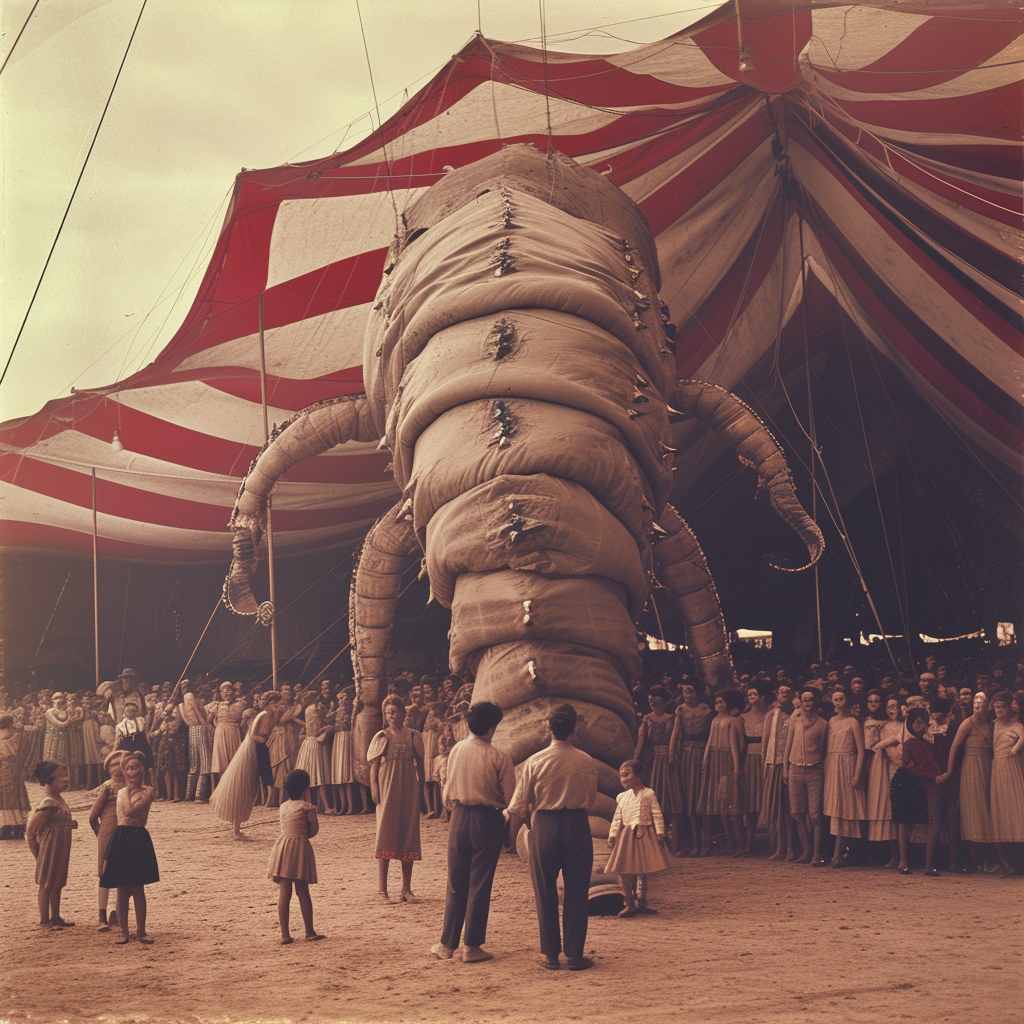
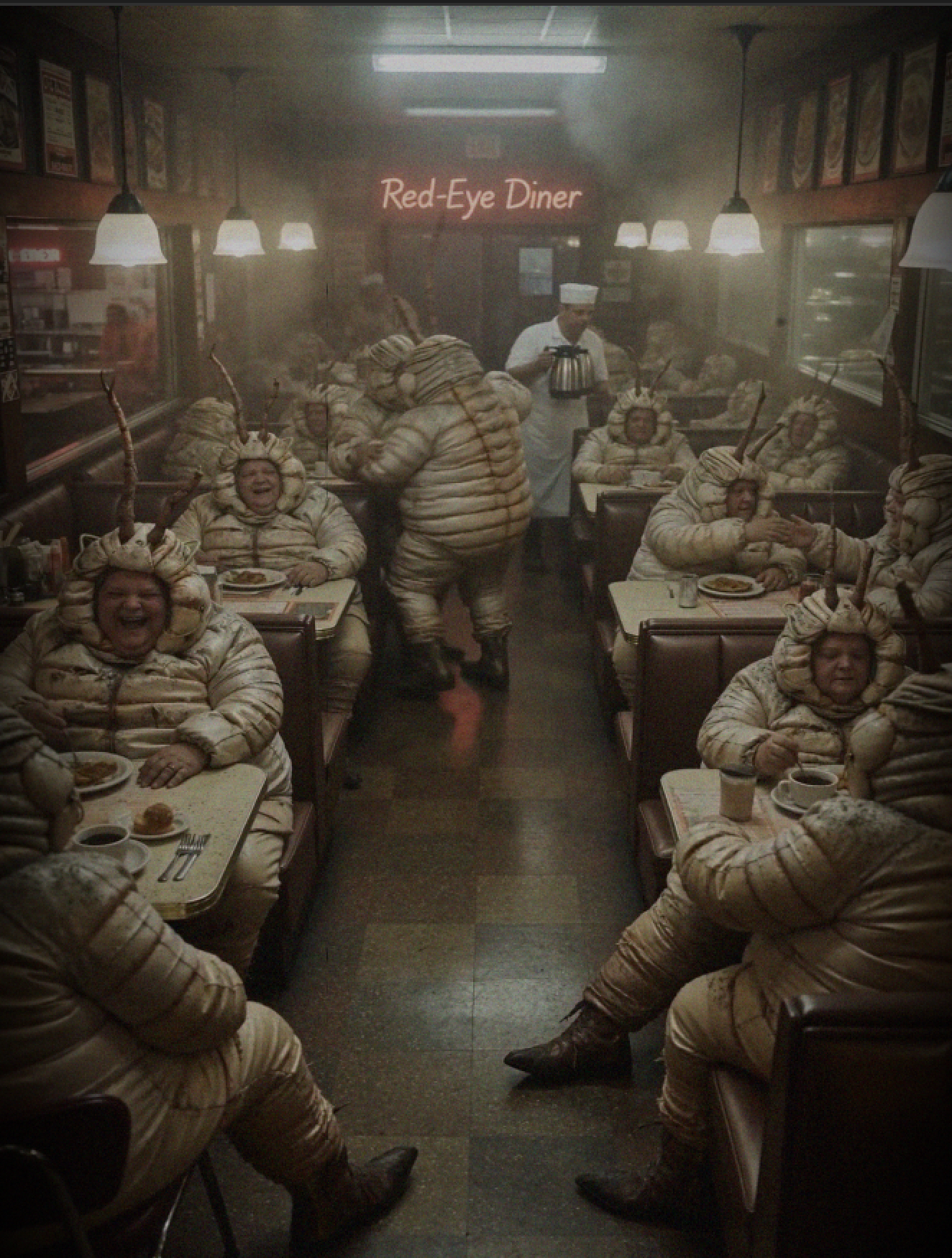
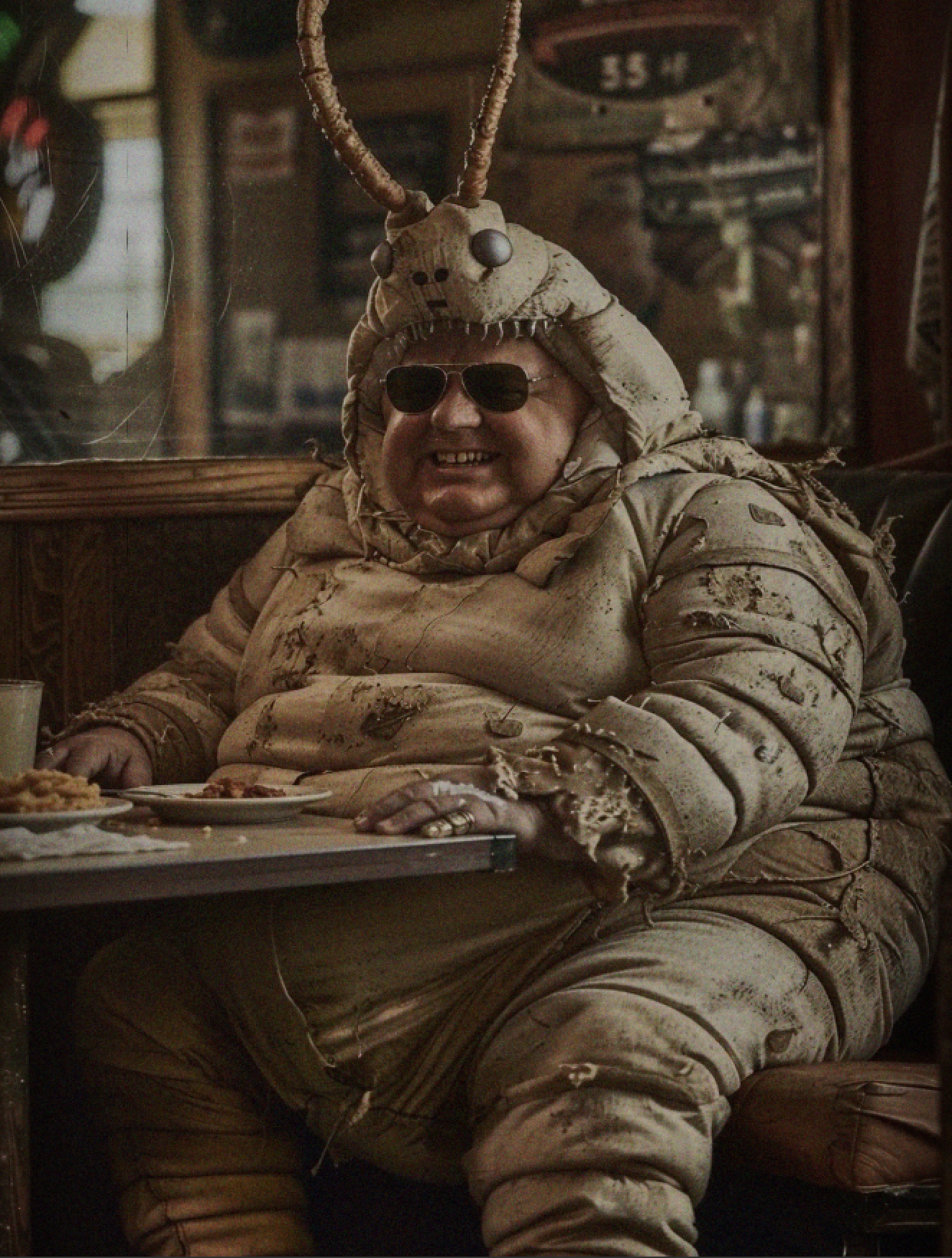
I got handed a pitch brief for a pharma client launching a treatment for Demodex mites. Eye mites. Which is both medically important and deeply disgusting. The brief was basically: go make something weird. Get noticed. Perfect. Using AI as part of the concept process, we built out strange cinematic campaign worlds like DUST BOWL CIRCUS and RED EYE DINER. Part pharma pitch. Part fever dream. A good example of how AI started becoming a real tool for fast world-building and visual storytelling during early creative development.
2024


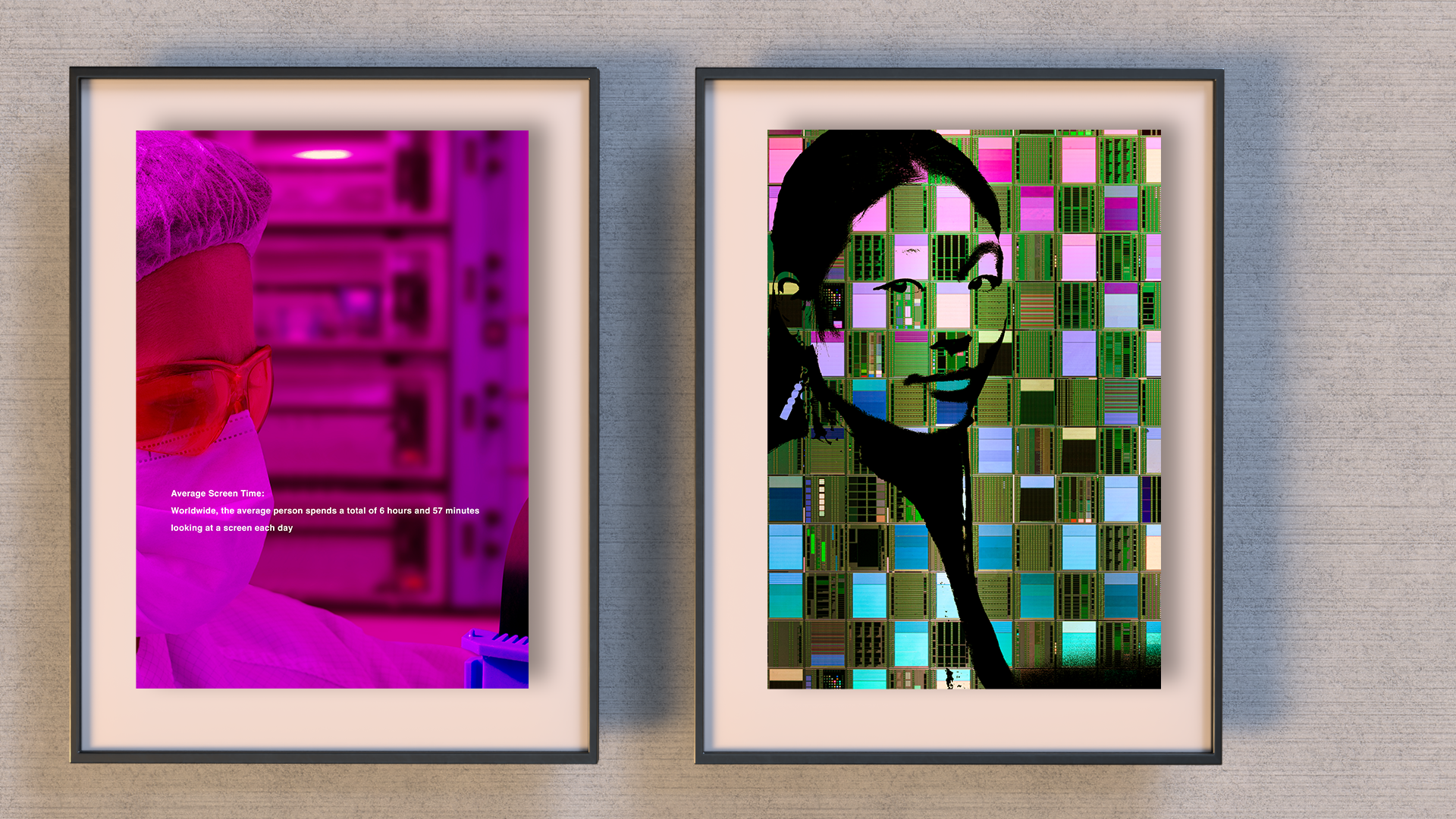
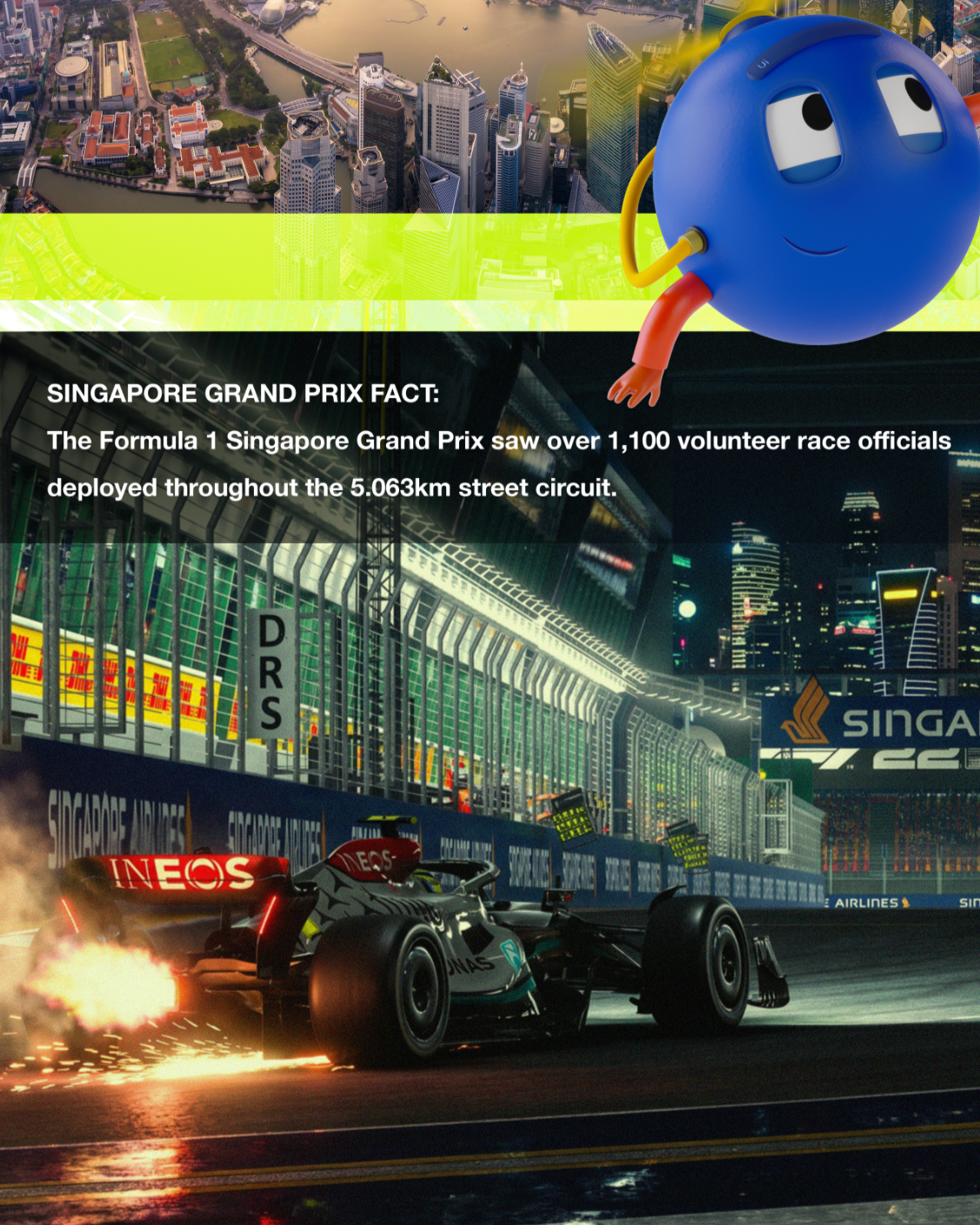
While leading brand and experiential work for UiPath’s FORWARD conferences in Las Vegas, I watched AI move from experiment to real creative infrastructure fast.
In 2023, we used early generative AI for moodboards and visual exploration. By 2025, those workflows expanded into key visuals, motion systems, narrative films, and live event content. What started as experimentation quickly became embedded in the creative process for large-scale global brand experiences.
2022 - 2025